

What Does OEM Mean in Beverage Manufacturing?

From Concept to Production: OEM in Beverage Manufacturing
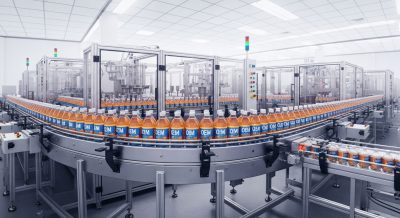
OEM beverage production line
Key Highlights
Here are the key takeaways about Original Equipment Manufacturers (OEMs):
- An original equipment manufacturer (OEM) creates parts or products for another company to sell under its brand.
- In beverage manufacturing, this can include everything from specific ingredients to the final product.
- OEMs are essential for creating efficient and reliable supply chains, reducing costs for the purchasing company.
- It’s important to understand the difference between OEM vs. ODM, as an ODM (Original Design Manufacturer) creates the design, not just the product.
- Working with an OEM allows a company to focus on marketing and brand building.
Introduction
Have you ever wondered how your favorite beverage gets made? It’s often a collaborative effort. The term Original Equipment Manufacturer, describes a company that produces goods or components that are used in the final products of another company. This practice is a cornerstone of modern manufacturing, especially in the beverage industry. Understanding the role of this term is key to seeing how complex supply chains work together to bring a finished product from an idea to your hands.
Who Uses OEMs?
A wide range of businesses relies on this service to create their products. The company that buys these components and sells the final item is often called a value-added reseller (VAR). This purchasing company integrates the OEM products into its own offerings. For example, a car manufacturer might use an engine from one company and a transmission from another to build its vehicle. In the tech world, computer companies like Dell and HP use processors from an equipment manufacturer like Intel.
This model allows a different company to specialize in what it does best. The manufacturer focuses on manufacturing high-quality components, while the VAR focuses on design, marketing, and selling the complete product to you, the consumer. In beverage manufacturing, a brand might have a unique recipe but use an outsource to handle the complex bottling and packaging process. This partnership is a vital part of many supply chains, enabling businesses to operate more efficiently.
What Does OEM Mean in Beverage Manufacturing?
In beverage manufacturing, an original equipment manufacturer is a company that produces beverages or beverage components for another brand to sell. The OEM works behind the scenes, following the client’s specific recipes, formulas, and packaging requirements.
You might have a great idea for a new energy drink, but not the factory to produce it. An OEM partner can take your vision and turn it into a reality. This allows you to focus on building your brand while the OEM handles the production of the OEM products using your specific OEM components.
Defining OEM in the Context of Beverages
When we talk about OEMs in the beverage world, it’s not just about one part of the process. An original equipment manufacturer can be responsible for producing a wide range of products, from a custom-designed bottle cap to the entire finished product.
Imagine a startup has developed a new organic juice. They can provide the recipe and brand design to the manufacturer, who then sources the ingredients, mixes the juice, bottles it, and labels it according to the startup’s exact instructions. The final product is then delivered to the startup, ready to be sold under its own name.
This relationship is similar to how it works for auto parts. Just as a car company relies on an OEM for a specific exhaust system, a beverage brand relies on its manufacturing partner for consistent quality in its packaging and liquid. The consumer sees the brand’s name, but the manufacturing expertise comes from the OEM.
Roles and Responsibilities of an OEM Beverage Manufacturer
An OEM manufacturer plays a crucial, behind-the-scenes role in bringing a beverage to market. Their primary responsibility is to produce goods according to the precise specifications provided by the client company. This ensures the final product aligns perfectly with the brand’s vision and quality standards.
The roles of an beverage partner are consistent with how an original equipment manufacturer operates in different industries. Their main duties include:
- Manufacturing: Producing the beverage or its components, such as custom bottles or caps, following the client’s exact formula and design.
- Quality Control: Ensuring every batch meets the required standards for taste, safety, and appearance.
- Supply Chain Management: Handling the logistics of production to ensure timely delivery, helping the client achieve economies of scale.
By taking on these responsibilities, the manufacturer allows the beverage brand to streamline its operations. This frees up the brand to concentrate on marketing, distribution, and building a relationship with the end user, knowing the production is in expert hands.
Importance of OEM in Manufacturing and Supply Chains
OEM partnerships are incredibly important for modern manufacturing. They create efficiency and add a layer of expertise to supply chains. When a company partners with an original equipment manufacturer, it can avoid the massive costs and complexities of building and running its own factories. This allows brands, from small startups to large corporations, to bring products to market more quickly and affordably.
Furthermore, since an OEM specializes in producing specific components or products, they often have a higher level of quality and consistency. People often prefer OEM products over third-party alternatives because they are made to the original specifications, offering reliability and peace of mind. For a different company, this means they can confidently sell a high-quality product without having to become an expert in every aspect of its production.
OEM vs. ODM: Understanding the Distinction in Beverage Supply Chains
When exploring manufacturing partnerships, you’ll likely encounter another acronym: ODM. While it sounds similar, an ODM, or Original Design Manufacturer, operates differently from an original equipment manufacturer. Understanding this distinction is crucial for any beverage brand looking for a production partner.
An OEM builds a product based on your design, while an ODM offers a pre-existing product design that you can brand as your own. This choice has significant implications for your product’s uniqueness, development time, and role in the supply chains of beverage manufacturing.
Main Differences Between OEM and ODM Models
The core difference between OEM and ODM lies in who owns the product design and intellectual property. With an OEM, you, the purchasing company, provide the design. The manufacturer simply builds it for you. This is ideal for a brand with a unique formula or bottle design.
In an ODM model, the manufacturer has already designed and developed a product. You can then select one of their “white-label” ODM products and put your brand name on it. This is a faster and often cheaper way to get a product to market, but it won’t be unique. This differs from aftermarket products, which are replacement parts, whereas ODM products are complete, rebranded items.
Here is a simple breakdown of OEM vs. ODM:
| Feature | OEM (Original Equipment Manufacturer) | ODM (Original Design Manufacturer) |
|---|---|---|
|
Design Ownership |
The client (purchasing company) owns the design. |
The manufacturer owns the design. |
|
Product Uniqueness |
High, as it’s based on a custom design. |
Low, as other companies can sell the same product. |
|
Development Time |
Longer, requires client R&D. |
Shorter, uses a pre-existing product. |
| Best For | Brands with a unique product and intellectual property. |
Brands wanting a quick and low-cost market entry. |
When Should a Beverage Manufacturer Choose OEM or ODM Partnerships?
Choosing between an OEM and an ODM partner depends entirely on your business goals and resources. Your decision will shape your product development process and your position in the market. Do you have a groundbreaking new product or are you looking to enter a market quickly?
You should consider which model best fits your strategy. An OEM partnership is the right choice if you have a unique recipe, a patented bottle design, or a highly specific new product that you want to protect. It gives you full control over the final product.
On the other hand, an ODM partnership is ideal for achieving economies of scale and speed.
- Choose OEM if: You have a unique, proprietary product and want to maintain full control over its specifications.
- Choose ODM if: Your goal is a fast market launch with a proven product and you want to minimize research and development costs.
Ultimately, the choice helps define your role in the supply chains and your brand’s competitive advantage.
OEM vs. Aftermarket Parts
The debate between OEM and aftermarket parts is common, especially when it comes to repairs. OEM parts are components made by the original manufacturer or a company contracted by them. They are identical to the original part that came with your product, whether it’s a car or an appliance. This ensures perfect compatibility and performance, just as the brand intended for the finished product.
Aftermarket parts are replacement parts made by a different company. They are designed to function like the original but are not from the original manufacturer. The main appeal of aftermarket parts is often their lower price. However, quality can vary significantly. While some aftermarket parts are excellent, others may not offer the same durability or precise fit as OEM parts. The difference between OEM and aftermarket products often comes down to this trade-off between guaranteed quality and potential cost savings.
Real-World OEM Case Studies or Examples
The OEM model is everywhere, even if you don’t see it. A classic example of it is Intel, which manufactures processors used in computers sold by companies like Dell and HP. When you see the “Intel Inside” sticker, you’re looking at an OEM partnership. Dell designs and sells the computer, but Intel provides a critical component. Similarly, Microsoft acts as an manufacturer when it supplies its Windows operating system to computer manufacturers to pre-install on their machines.
In the automotive world, this is also standard practice. A company like Bosch might produce fuel injectors or braking systems that are original equipment manufacturer parts for a variety of car brands. The car is sold under one name, but it’s an assembly of high-quality OEM products from many different company specialists. These partnerships allow each company to excel in its area of expertise, resulting in a better final product for the consumer.
OEM Partner Models and Partnerships
In this relationship, the manufacturer produces goods and sells them directly to a purchasing company, not to the public. This purchasing company, also known as a value-added reseller (VAR), then incorporates these goods into its final product, which is sold to the end user under its own brand names.
This collaborative model is beneficial for both parties. The manufacturer secures large, consistent orders, which allows them to achieve economies of scale and focus on production efficiency. The purchasing company, in turn, gets access to specialized manufacturing expertise without the massive investment in factories and equipment. This allows them to focus their resources on innovation, marketing, and building their brand, ultimately delivering a high-quality product through efficient supply chains.
About DATAFA COMPANY LIMITED – Your Trusted Beverage Partner
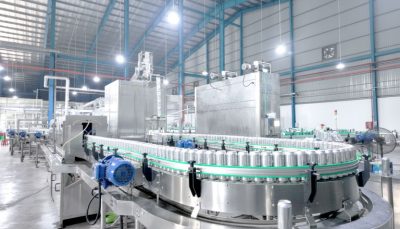
Beverage OEM manufacturing facility at DATAFA COMPANY LIMITED in Vietnam
DATAFA COMPANY LIMITED is a Vietnam-based beverage manufacturer, established in 2009 and headquartered in Di An, Ho Chi Minh City, within Song Than Industrial Park—a location that supports efficient export logistics for global markets.
With over 16 years of manufacturing experience, DATAFA produces juice beverages, functional drinks, sparkling beverages, roasted and instant coffee, and bird’s nest products. The company provides structured OEM, ODM, and private label manufacturing solutions for brands targeting the US, Europe, and Middle East.
Beyond contract manufacturing, DATAFA also operates as a brand owner with products distributed through modern retail systems. This hands-on market experience strengthens its understanding of regulatory compliance, formulation standards, packaging and labeling requirements, and practical go-to-market expectations—insights that are applied directly to partner projects.
Why Brands Choose DATAFA COMPANY LIMITED
- Market-Aware Manufacturing
Experience as both manufacturer and brand owner supports practical, execution-ready solutions. - Compliance-Ready Facilities
Production aligned with international food safety and quality standards for export markets. - In-House R&D Support
Stable, scalable formulations developed to match regulatory and cost requirements. - Integrated Packaging & Labeling
Design support aligned with global retail and export standards. - One-Stop Beverage Solutions
From sampling to production, processes are streamlined to reduce time to market. - Free Samples & Fast Prototyping
Early validation enables confident decision-making before scale.
As a beverage manufacturer, DATAFA COMPANY LIMITED supports brands seeking reliable production, regulatory alignment, and scalable manufacturing partnerships.
Conclusion
In conclusion, understanding what OEM means in beverage manufacturing can significantly impact your business’s efficiency and product quality. OEMs play a vital role in the supply chain, helping beverage manufacturers produce high-quality drinks while allowing them to focus on branding and marketing. By collaborating with established OEM partners, you can leverage their expertise and resources to streamline production and enhance your product offerings. If you’re considering OEM partnerships for your beverage brand, don’t hesitate to reach out for quotes to see how you can optimize your manufacturing process and drive success in your market.
OEM in Different Industries (Auto, Electronics, IT, Software)
The OEM model is flexible and widely used across many major industries. In the auto industry, it’s all about car parts. Companies like Volkswagen or Toyota rely on a vast network of OEMs to supply everything from exhaust systems to electronic components. These parts are made to the exact specifications of the auto manufacturer, ensuring they fit and function perfectly as original equipment.
In the electronics and IT sectors, the model applies to both hardware and software. A computer manufacturer like Lenovo might use OEM hardware, such as a chipset from Intel or a hard drive from Western Digital. At the same time, it uses OEM software by pre-installing Microsoft Windows. While the application differs slightly, the principle is the same: one company, the original equipment manufacturer, provides a key component or system for another company’s final product.
Watch us on Youtube: Youtube: @DatafaBeverage
Keep updated on our lastest products: Alibaba site: DATAFA
Contact now: Contact site