

Beverage Packaging Trends 2026: Key Innovations Shaping the Future of Brands


Discover the top beverage packaging trends in 2026, from sustainable packaging and smart QR codes to minimalist design, convenience, and flexible OEM solutions for global beverage brands.
In today’s fast-changing beverage industry, packaging is no longer just a container. It has become a powerful tool that influences how consumers see, choose, and trust a brand.
Modern consumers do not only care about taste and product quality. They also look at packaging design, convenience, sustainability, transparency, and the overall brand experience. This means beverage packaging can directly affect shelf visibility, purchasing decisions, repeat sales, and long-term brand positioning.
For OEM and private label beverage brands, understanding the latest beverage packaging trends 2026 is essential. Brands that adapt early can create products that are more attractive, more market-ready, and more competitive across both local and international markets.
At Datafa, we work closely with beverage brands to develop flexible packaging solutions that match modern consumer expectations, retail demands, and global beverage trends. Below are the key packaging trends expected to shape the future of beverage brands in 2026.
1. Sustainable Beverage Packaging Becomes the New Standard
Sustainability continues to be one of the strongest forces shaping beverage packaging innovation. Consumers are becoming more aware of environmental impact and are more likely to support brands that show clear responsibility through packaging choices.
In 2026, sustainable beverage packaging will not be seen as a premium option anymore. It will become an expected standard in many markets.

Sustainable Beverage Packaging
Popular sustainable packaging directions include:
- Recyclable aluminum cans
- Lightweight PET bottles
- Reduced plastic usage
- Eco-friendly secondary packaging
- Packaging designs that reduce material waste
For beverage brands, investing in sustainable packaging can help build consumer trust, improve brand reputation, and support long-term market growth.
Action tip for brands
If you are developing a new beverage product, consider packaging materials and formats early in the product development process. This helps balance cost, sustainability, logistics, and consumer appeal from the beginning.
2. Minimalist Packaging Design Creates Stronger Shelf Impact
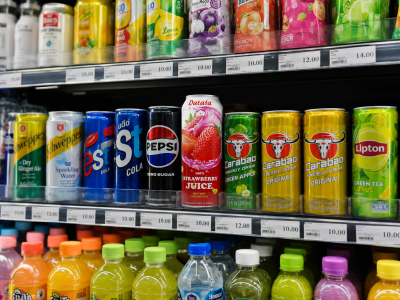
Minimalist packaging design continues to gain popularity because it helps beverage products look cleaner, more premium, and easier to understand.
Instead of overcrowded labels with too much information, many successful brands now focus on simple layouts, strong typography, balanced colors, and clear product messaging.

Why minimalist beverage packaging works
Minimalist packaging helps consumers quickly understand what the product is, what benefits it offers, and why they should choose it. In crowded retail environments, clarity can become a major competitive advantage.
This trend also supports clean-label positioning, transparency, and premium brand perception.
Action tip for brands
Keep your front label focused on the most important message: product type, key benefit, flavor, and brand identity. Avoid placing too many claims or design elements in one area.
3. Functional and Convenient Packaging Formats Drive Repeat Purchases
Convenience is a major factor in modern beverage consumption. Consumers want drinks that are easy to carry, easy to open, and suitable for busy daily routines.
This is especially important for younger consumers, urban markets, fitness-focused buyers, and on-the-go lifestyles.
Beverage packaging formats gaining popularity
- Slim cans
- Grab-and-go PET bottles
- Resealable caps
- Lightweight bottles
- Single-serve packaging
- Easy-to-carry multi-packs
When packaging fits naturally into a consumer’s lifestyle, it can increase satisfaction and encourage repeat purchases.
Action tip for brands
Before choosing a packaging format, define where and how your target customer will consume the product: at work, during travel, after exercise, at home, or in retail impulse-buy situations.
4. Transparent Packaging Builds Consumer Trust
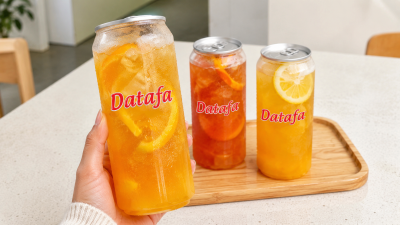
Consumers are paying more attention to ingredients, product origin, and manufacturing transparency. As a result, transparent packaging is becoming increasingly important in beverage packaging design.
Clear bottles, transparent labels, and visible ingredients help communicate freshness, authenticity, and natural quality.

Best product categories for transparent packaging
Transparent packaging works especially well for:
- Fruit drinks
- Functional beverages
- Herbal drinks
- Basil seed drinks
- Nata de Coco beverages
- Aloe vera drinks
- Premium water products
When consumers can see the product clearly, they often feel more confident about what they are buying.
Action tip for brands
If your beverage has visually appealing ingredients such as fruit pieces, basil seeds, jelly, or Nata de Coco, use packaging that allows customers to see the texture and quality directly.
5. Social Media-Friendly Packaging Becomes a Marketing Advantage
In 2026, packaging design will continue to play a major role in digital marketing. A visually attractive beverage package can become content by itself.
Consumers often discover new products through TikTok, Instagram, YouTube Shorts, and user-generated content. This means your packaging should not only look good on shelves but also look appealing on camera.
Elements of social media-friendly packaging
- Bold color combinations
- Unique bottle or can shapes
- Eye-catching label design
- Premium textures or finishes
- Clear brand identity
- Aesthetic product presentation
Packaging that is “share-worthy” can help generate organic visibility and improve brand awareness without relying only on paid advertising.
Action tip for brands
When reviewing a packaging design, test how it looks in product photos, short videos, e-commerce thumbnails, and social media posts before finalizing production.
6. Smart Packaging and QR Codes Improve Consumer Engagement
Smart packaging is becoming more common as brands look for ways to connect physical products with digital experiences.
QR codes are one of the simplest and most effective tools for this. They allow consumers to access more information instantly by scanning the package.

beverage-packaging-QR
QR codes can connect consumers to:
- Product information
- Ingredient sourcing
- Brand stories
- Promotions
- Loyalty programs
- Traceability details
- Social media channels
- Product authentication pages
This creates a stronger relationship between the consumer and the brand after purchase.
Action tip for brands
Do not use QR codes only as decoration. Connect them to useful landing pages, product stories, campaigns, or loyalty offers that encourage consumers to take the next step.
7. Flexible Packaging Solutions Support Global Market Expansion
Different markets often have different packaging requirements. A beverage format that works well in one country may not be the best option in another.
That is why flexible packaging solutions are becoming more important for OEM and private label beverage brands.
Packaging flexibility may include:
- Different bottle sizes
- Multiple can formats
- Localized label designs
- Market-specific packaging materials
- Retail-ready packaging
- Export-friendly packaging solutions
Brands that can adapt packaging quickly are better prepared to enter new markets, test new products, and respond to changing consumer demands.
Action tip for brands
Work with a manufacturing partner that can support different packaging sizes, materials, and label requirements. This will make product launches faster and more efficient.
8. Packaging Innovation Is Now Part of Brand Strategy
In 2026, beverage packaging is not only about appearance. It is part of the brand’s full growth strategy.
The right packaging can support sustainability goals, improve retail performance, increase online visibility, strengthen consumer trust, and create a more memorable product experience.
For beverage brands, packaging should be considered from the earliest stage of product development rather than treated as a final design step.
Why packaging strategy matters
Strong packaging helps brands:
- Stand out on crowded shelves
- Communicate product value quickly
- Build trust with consumers
- Improve social media visibility
- Support sustainability positioning
- Adapt to different market needs
- Increase long-term brand recognition
Conclusion: Build Future-Ready Beverage Brands with Smarter Packaging
The future of beverage packaging in 2026 will be shaped by sustainability, convenience, transparency, digital engagement, flexible formats, and strong visual identity.
For OEM and private label beverage brands, these trends create a clear opportunity: brands that invest in smarter packaging today will be better prepared for tomorrow’s market.
At Datafa, we support beverage brands with flexible OEM/ODM manufacturing solutions designed to align product development, packaging innovation, and international market expectations.