

Private Label Fruit Beverage Label Checklist | DATAFA

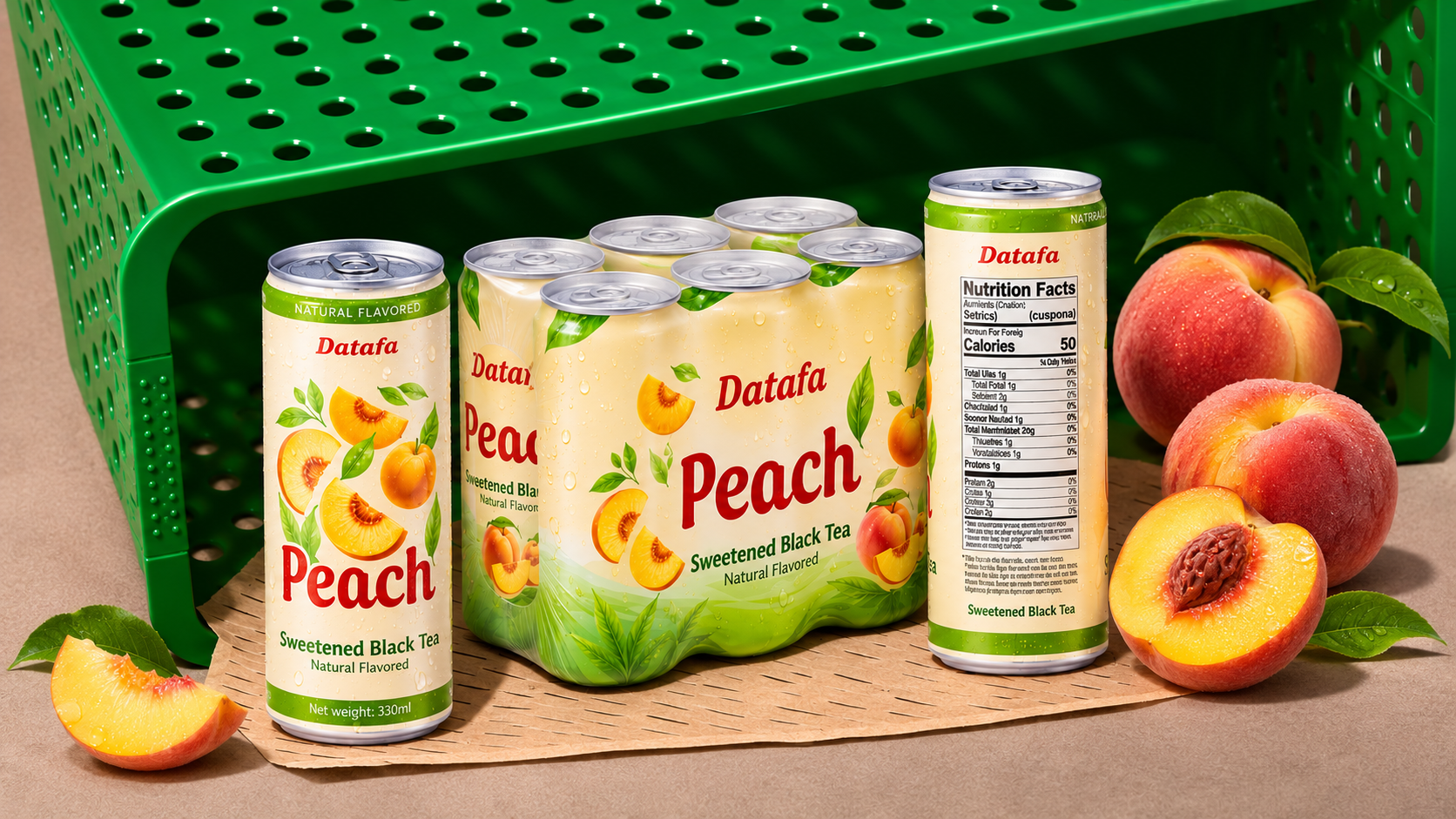
You’ve approved a pink guava beverage sample. Can the front panel say “Pink Guava Juice”? Should it declare a juice percentage? Can it carry a “no added sugar” claim? Each question requires a separate check against the finished formula and the rules of the market where the product will be sold.
Use this private label fruit beverage label checklist to align your product specification and packaging artwork before printing for the United States or the European Union.
1. Confirm the product name for the destination market
Start with the finished formula. Ask your OEM/ODM partner to confirm which fruit ingredients it contains, whether they are supplied as juice, concentrate or purée, and what else is added. Use that information to determine the appropriate sales name.
| Market | What to check |
|---|---|
| United States | Under 21 CFR § 102.33, a beverage containing more than 0% but less than 100% juice must have a descriptive name. If the name uses “juice,” it must include a qualifying term such as “drink,” “beverage” or “cocktail.” Check the additional naming provisions if the product contains juice from concentrate or a blend of juices. |
| European Union | Check whether the recipe meets the applicable definition under the EU fruit juice rules before using a name such as “fruit juice,” “fruit juice from concentrate” or “fruit nectar.” For other fruit beverages, confirm the appropriate food name under the general labeling rules for the destination. |
The same flavor can be developed into different beverage categories. For example, two pink guava products can have different sales names because their formulas differ. Confirm the name before the design team builds the front panel around it.
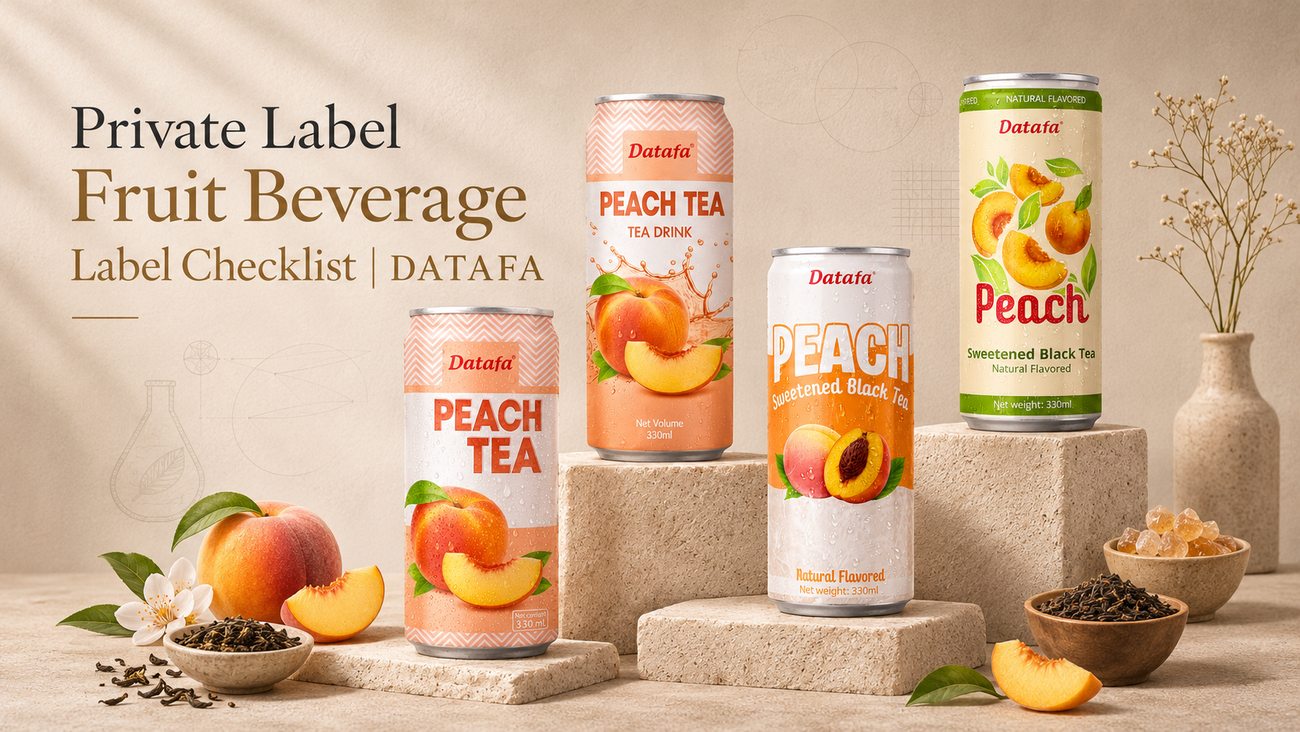
2. Verify the percentage against the finished formula
Ask for the basis of the declared percentage. If the formula uses concentrate, the amount of concentrate added during production and the juice percentage declared on the finished drink are different figures. U.S. rules provide calculation methods for juice from concentrate and generally require a percentage declaration for beverages that are represented as containing fruit or vegetable juice, subject to the rule’s conditions and exceptions.
In the EU, check both the rules for the specific product category and the general rules on quantitative ingredient declarations. Under Article 22 of Regulation (EU) No 1169/2011, an ingredient percentage can be required when the ingredient appears in the food name or is emphasized through words or pictures, subject to applicable exceptions. Fruit nectar also has a category-specific minimum fruit content labeling requirement.
Before approving the design, check that the front panel, ingredient list and product specification all describe the same SKU. Repeat the check for each flavor and market version.
3. Review sugar claims separately from juice content
A juice percentage tells you how much juice the beverage contains. The nutrition panel tells you how much sugar is in the finished product. A fruit beverage can contain naturally occurring sugars even when the formula has no added sugar.
Review claims such as “no added sugar,” “sugar-free” and “reduced sugar” against the specific rules for the destination market. For U.S. labels, start with 21 CFR § 101.60. In the EU, distinguish general nutrition claims from the specific product designation “reduced-sugar fruit juice.” That designation has its own criteria, including at least a 30% reduction in naturally occurring sugars through a qualifying process. EU Member States were required to apply the implementing measures from June 14, 2026, with transitional provisions for qualifying stock.
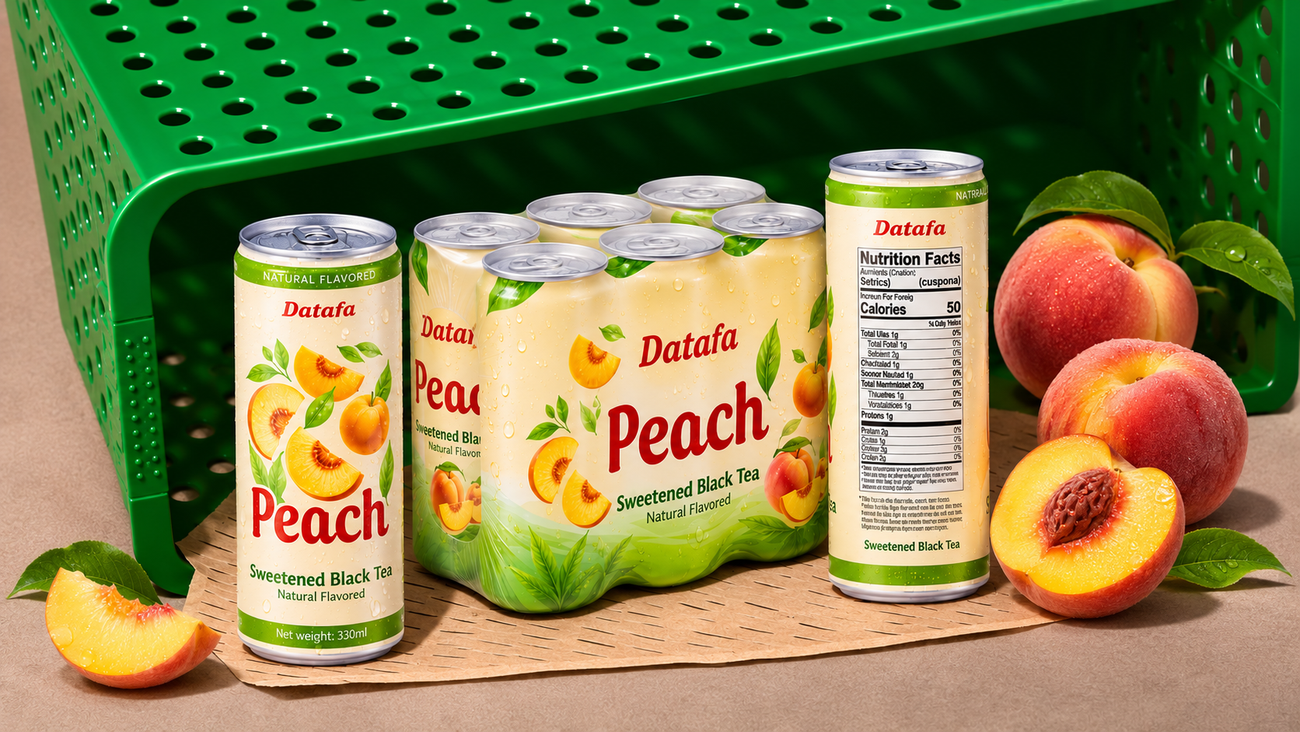
4. Match the final artwork to the approved specification
Use one approved specification and one version of the artwork for the final review. The checklist below is a practical handoff between the buyer, manufacturer and the team responsible for label compliance in the destination market.
| Confirm before printing | What to review |
|---|---|
| SKU and destination | Flavor, pack size, target country and language version |
| Product identity | Sales name, front-panel wording and fruit imagery |
| Formula and declarations | Ingredient list, applicable allergen information and the basis for any juice or fruit percentage |
| Nutrition and claims | Finished-product nutrition data, the applicable reference amount and evidence supporting each claim |
| Other label details | Net quantity, responsible business details, date marking, storage instructions and placement or legibility requirements, as applicable |
| Final approval | Matching specification and artwork revisions, with a record of who approved the destination-market label |
If the recipe changes after approval, review the affected declarations and claims before releasing the artwork. A change in fruit concentrate, sweetener or pack size can affect more than one part of the label.
Discuss your private label fruit beverage with DATAFA
Planning a pink guava, peach or passion fruit beverage? Share your target market, preferred fruit, target juice percentage and packaging format with DATAFA. We can discuss the formula, the product specifications available for review and the information your team needs to prepare the label.
Contact DATAFA about your private label fruit beverage project