

10 FDA vs EFSA Critical Insights That Could Transform Your Regulatory Strategy

FDA vs EFSA: Regulatory Differences in Beverage Manufacturing
Key Highlights
- The FDA in the U.S. and EFSA in the EU are the primary bodies overseeing beverage safety.
- FDA’s regulations for bottled water are extensive, covering source, quality, and labeling.
- EFSA primarily provides scientific risk assessments that inform EU-wide laws enforced by member states.
- Beverage companies must navigate different rules for ingredients, labeling, and quality standards to sell in both markets.
- Understanding these bottled water regulations is crucial for protecting public health and ensuring compliance.
- Both authorities establish manufacturing practices to guarantee the safety of all beverages.
Introduction
When you pick up a beverage, do you ever wonder who ensures it’s safe to drink? In the United States and the European Union, two major authorities—the Food and Drug Administration (FDA) and the European Food Safety Authority (EFSA)—are responsible for this. They set the rules that manufacturers must follow to protect public health. While they share a common goal, their approaches to regulating products like bottled water and soft drinks differ significantly. This guide will explore those differences and what they mean for you.
Overview of Beverage Regulatory Authorities
Navigating the world of beverage production requires a deep understanding of the regulatory bodies in charge. In the United States, the Food and Drug Administration (FDA) takes the lead, creating and enforcing the rules for most food and beverage products sold nationwide.
Across the Atlantic, the European Union (EU) relies on the European Food Safety Authority (EFSA). While the FDA is a direct enforcer, EFSA’s primary role is to provide scientific advice and risk assessments, which then guide the laws created by the EU and implemented by individual member countries. Let’s look at each one more closely.
What Is the FDA and Its Role in the United States
The Food and Drug Administration, or FDA, is a federal agency in the United States responsible for protecting and promoting public health. It achieves this by regulating a wide range of consumer goods, including food, beverages, and cosmetics. Its mission is to ensure these products are safe, sanitary, and honestly labeled.
For the beverage industry, the FDA’s role is critical. It establishes three key types of standards. These include standards of identity (what a product can be called), standards of quality (setting limits for contaminants), and good manufacturing practices (regulating the cleanliness and safety of production facilities).
When it comes to specific products, the FDA has detailed regulations for bottled water. In contrast, beverages like carbonated soft drinks are typically regulated as general food items. This means they must follow good manufacturing practices and labeling rules but do not have the same specific identity and quality standards as bottled water.
The European Food Safety Authority (EFSA) and Its Scope in Europe
In the European Union, the European Food Safety Authority (EFSA) is the cornerstone of food and beverage safety. Unlike the FDA, EFSA does not create or enforce laws itself. Instead, it operates as an independent source of scientific advice for the European Commission, European Parliament, and EU member states.
EFSA’s main job is risk assessment. Its scientists evaluate potential hazards in the food chain—from farm to fork—and provide impartial opinions on everything from additives to water quality. These opinions form the scientific basis for the EU’s strict food safety laws and policies, ensuring decisions are based on the latest evidence to protect public health.
This system means that while EFSA provides the “what” and “why” of safety, the “how” is left to legislators and national authorities. For example, while the FDA directly dictates how coconut water should be manufactured and labeled in the U.S., EFSA would provide a scientific opinion on its safety, which then informs EU-wide regulations.
Key Legal Frameworks for Beverage Manufacturing
Every safe beverage starts with a strong legal foundation. These frameworks dictate everything from sourcing ingredients to how the final product is labeled and sold. In the U.S., these rules are clearly documented and enforced at the federal level.
Similarly, the EU has its own comprehensive legislative acts that apply across all member states. While the structures differ, both systems aim to ensure that all beverages, especially bottled water, meet strict requirements before reaching consumers. Now, let’s explore the specific regulations in each region.
Main U.S. Regulations Enforced by the FDA
The FDA’s rules for beverages are primarily found in the Code of Federal Regulations (CFR), specifically Title 21. This legal text is the go-to guide for manufacturers. It defines what can be legally sold as “bottled water” and outlines the strict standards that producers must meet to ensure their food products are safe.
For bottled water, the FDA enforces three main standards that govern production, labeling, and quality. These are designed to protect consumers and maintain confidence in bottled water products.
- Standard of Identity: This dictates what qualifies as bottled water, with specific definitions for terms like “spring water” or “purified water.”
- Standard of Quality: This sets maximum allowable levels for contaminants, ensuring the water is safe for consumption.
- Good Manufacturing Practices (GMPs): These are rules for facility sanitation and processing to prevent contamination.
While bottled water has these specific rules, other drinks like carbonated soft drinks are regulated as general food items, mainly falling under GMPs and standard labeling laws.
EFSA Guidelines and Legislative Acts Impacting Beverages
In the European Union, the regulatory landscape for beverages is shaped by a combination of EFSA’s scientific opinions and EU-wide legislation. EFSA doesn’t write the laws, but its safety assessments are the foundation upon which regulations are built, ensuring a harmonized approach across all member countries.
These an EU-wide legislative acts create a single market for beverages, meaning a product compliant in one country can be sold in all others. This system establishes clear standards of quality that are especially important for the bottled water industry. The goal is to provide a high level of health protection for consumers throughout the EU.
For beverage manufacturers, complying with these guidelines involves a process similar to meeting FDA requirements: rigorous testing, adherence to hygiene protocols, and accurate labeling. Whether exporting to the U.S. or the EU, the key is to thoroughly understand and implement the specific legal requirements of that market from the very beginning.
Product Categories Under Each Authority
Not all drinks are created equal in the eyes of regulators. Both the FDA and EFSA classify beverages into different categories, each with its own set of rules. How a product is defined—whether it’s bottled water, a fruit juice, or a carbonated soft drink—determines the specific standards it must meet.
This categorization impacts everything from ingredient allowances to labeling requirements. A simple “sparkling water” may face different scrutiny than “mineral water.” Let’s examine how the FDA and EFSA define and regulate these distinct beverage types.
FDA Classification of Fruit Juice, Carbonated Soft Drinks, and Coconut Water
The FDA is very specific about what can be called “bottled water.” Products that don’t meet these definitions, such as carbonated soft drinks, fruit juice, and coconut water, are regulated differently. They are generally considered conventional foods and must adhere to broader food safety and labeling rules rather than the specific standards for bottled water. This distinction is crucial; it’s how the FDA separates beverages from products that might be marketed as liquid dietary supplements, which have their own set of regulations.
For example, products labeled “seltzer water,” “soda water,” or “tonic water” are not regulated as bottled water. Instead, they fall under the general food category. The FDA’s standards of identity for bottled water are strict to avoid misleading consumers.
Here is how the FDA classifies different types of bottled water:
|
Water Type |
FDA Definition |
|---|---|
|
Purified Water |
Water produced by distillation, deionization, or reverse osmosis. |
|
Artesian Water |
Water from a well in a confined aquifer where the water level is naturally high. |
|
Mineral Water |
Contains at least 250 parts per million of total dissolved solids from a protected underground source. |
|
Spring Water |
Derived from an underground formation where water flows naturally to the surface. |
EFSA Beverage Categories and Definitions
The European Union also has a detailed system for classifying beverages, which is essential for ensuring consistency and fair trade among its member states. Much like the FDA, the EU has specific legal definitions for different types of water to protect consumers and maintain quality.
The three main categories are natural mineral water, spring water, and other bottled drinking water. Natural mineral water must come from a protected underground source and have a stable mineral composition. Spring water also comes from a specific underground source but doesn’t need the same stable mineral content. Any other packaged water is simply classified as bottled drinking water.
Understanding these definitions is vital for all beverage producers, especially for Original Equipment Manufacturers (OEM) and Original Design Manufacturers (ODM). Whether a company is making a product to another brand’s specifications (OEM) or designing and producing it themselves (ODM), the final product must fit perfectly into the correct legal category for the target market.
Ingredients Controls and Standards
What goes into your drink is just as important as the final product. Regulatory bodies pay close attention to ingredients, from basic water quality to additives like sweeteners, flavorings, and nutrients such as vitamin C. Both the FDA and EFSA have established controls to ensure that all added substances are safe for consumption.
These standards determine which additives are permitted, in what quantities, and how they must be declared on the label. Let’s compare how the U.S. and EU approaches differ when it comes to regulating the building blocks of your favorite beverages.
FDA Regulation of Sweeteners, Caffeine, and Additives
Yes, the FDA heavily regulates all substances added to food products, including beverages. This oversight covers sweeteners, caffeine, and other additives to ensure they are safe for you to consume. Before an additive can be used, it must be approved by the FDA or be “Generally Recognized As Safe” (GRAS) by qualified experts.
Sweeteners, for example, must undergo a rigorous premarket review unless they have a long history of safe use. Caffeine is also regulated; it’s considered GRAS in soft drinks up to a certain level (around 71 parts per million), but its use in other beverages is monitored closely.
- Premarket Approval: Most new additives must be proven safe to the FDA before being sold.
- GRAS Notification: Companies can submit a notification that an ingredient is generally recognized as safe, which the FDA then evaluates.
- Color Additives: All colorings used in beverages must be specifically approved for that use.
This system ensures that any ingredient intentionally added to a beverage has been evaluated for its potential impact on your health.
EFSA Standards for Flavorings, Additives, and Nutrition Claims
In Europe, EFSA plays a central role in evaluating the safety of all food additives, which include flavorings, sweeteners, and preservatives used in beverages. Before any new additive can be used in the EU market, it must undergo a thorough safety assessment by EFSA’s scientists. Only after EFSA gives a positive opinion can the additive be authorized for use.
A key area where EFSA’s work stands out is in the regulation of nutrition claims and health claims. If a beverage company wants to state that its product is “high in vitamin C” or “helps maintain hydration,” that claim must be scientifically substantiated and authorized. EFSA evaluates the scientific evidence behind these claims to ensure they are not misleading to consumers.
This is a point of difference from the U.S. system. While FDA labeling requirements are strict about listing ingredients and nutrition facts, EFSA’s process for pre-approving specific health and nutrition claims is uniquely rigorous, aiming to protect consumers from unproven marketing statements.
Labeling Requirements and Consumer Information
The label on a beverage is your direct line to understanding what you’re drinking. It’s a critical tool for public health, providing essential information about ingredients, nutritional content, and origin. Both the FDA and EFSA enforce strict labeling rules to ensure transparency and help you make informed choices.
While tap water providers issue a Consumer Confidence Report, bottled beverage labels must convey similar information in a much smaller space. The goal is to build trust and provide clarity. Let’s break down the specific labeling elements required in the U.S. and see how they compare to the rules in the EU.
Mandatory Label Elements for FDA Compliance
To comply with FDA regulations, labels on beverage products sold in the U.S. must include several mandatory pieces of information. These rules are designed to ensure you know exactly what you’re buying and consuming. For bottled water products, the labeling requirements are particularly detailed.
The FDA requires that the label clearly state the type of water (e.g., spring, mineral, or purified) and provide information about its origin. This transparency helps you understand the source and quality of the water. Beyond the source, other key details are also required.
These mandatory elements ensure that all essential information is front and center:
- Statement of Identity: The common name of the beverage (e.g., “purified water”).
- Net Quantity of Contents: How much product is in the container.
- Ingredient List: All ingredients must be listed in descending order by weight.
- Name and Place of Business: The manufacturer, packer, or distributor must be identified.
EFSA Labeling Rules and Differences from the U.S. System
Labeling rules in the European Union are similarly focused on consumer transparency but have some notable differences from the U.S. system. EU regulations are known for being particularly strict on allergen information, requiring any of the 14 major allergens to be clearly emphasized in the ingredient list.
Another key distinction is how nutritional information is presented. The EU mandates a standardized nutrition declaration on the back of the pack, which must include energy value and amounts of fat, saturates, carbohydrates, sugars, protein, and salt. This differs slightly from the U.S. Nutrition Facts panel.
Furthermore, the EU’s approach to beverage classification directly impacts labeling. For instance, the distinction between a “beverage” and a “food supplement” is tightly controlled, often more so than in the U.S. This prevents products from being marketed in a confusing way and ensures that items sold as beverages meet all corresponding regulations, including the detailed bottled water regulations.
Quality Testing and Safety Protocols
Ensuring a beverage is safe involves more than just clean facilities; it requires constant product testing and strict safety protocols. Both the FDA and EFSA mandate that manufacturers test their products to meet specific water quality standards and verify their shelf life, but their methods of oversight differ.
These protocols are in place to catch contaminants before they can cause harm. From the source to the final sealed bottle, every step is monitored. Let’s look at how the FDA handles inspections and how EFSA approaches risk assessment to achieve the same goal of a safe drinking supply.
FDA Inspection and Sampling Processes for Beverages
The FDA enforces its regulations through a system of inspection and sampling. Agency inspectors conduct routine visits to beverage manufacturing facilities to ensure they comply with Good Manufacturing Practices. They may also perform for-cause inspections in response to a consumer complaint or a report of contamination.
During these visits, the FDA can collect samples of food products, including juices and other beverages, for laboratory analysis. This testing checks for microbial contaminants like E. coli, as well as chemical and physical impurities. Yes, juices sold in supermarkets are absolutely subject to FDA inspections, as they are regulated as food products and must be produced in a safe and sanitary manner.
If a facility is found to be non-compliant or a product is contaminated, the FDA has the authority to issue fines, mandate recalls, or even halt production. This enforcement power is a direct mechanism to protect the public from potential adverse health effects.
EFSA Testing Requirements and Risk Assessment Procedures
EFSA’s approach to safety is centered on scientific risk assessment rather than direct inspection. EFSA’s experts review scientific data to identify potential hazards in food and beverages and advise on safe levels. This scientific advice becomes the backbone of the EU’s safety protocols, which are then enforced by national authorities in each member state.
For bottled water, EFSA provides opinions on the safety of water sources and the potential risks from contaminants. These assessments help legislators set the legal limits and testing frequencies that manufacturers must follow. The responsibility for conducting the actual tests and facility inspections falls to the individual countries.
For a manufacturer, this means that while the safety standards are harmonized across the EU, the enforcement body they interact with is local. This is a key difference from the U.S., where a single federal agency, the FDA, handles both setting many of the rules and enforcing them. To comply, manufacturers must follow these EU-wide standards and be prepared for inspections from national agencies.
Manufacturing Standards and Facility Approvals
Where a beverage is made matters just as much as what’s in it. That’s why both the FDA and EFSA place a heavy emphasis on manufacturing standards. Central to these standards are Good Manufacturing Practices (GMPs), which are a set of rules covering everything from facility cleanliness to employee hygiene protocols.
Before a company can even begin production, its facility must often meet certain requirements. These facility approvals ensure that the production environment is designed to prevent contamination from the start. Let’s see what it takes for a beverage maker to get the green light in the U.S. and the EU.
Steps for Beverage Manufacturers to Gain FDA Approval
Gaining “FDA approval” for a new beverage is a bit of a misnomer, as the FDA does not typically pre-approve most new food products, including drinks. Instead, the process is one of compliance. Manufacturers are responsible for ensuring their products meet all applicable manufacturing standards and regulations before they hit the market.
The first step is registering the production facility with the FDA. From there, the company must develop and implement a food safety plan based on Hazard Analysis and Critical Control Points (HACCP) principles, especially for juices. Adherence to GMPs is also non-negotiable.
To ensure compliance, manufacturers should follow these key steps:
- Facility Registration: All facilities that manufacture, process, pack, or hold food for consumption in the U.S. must register with the FDA.
- Adherence to GMPs: Implement and maintain current Good Manufacturing Practices for sanitation and operations.
- Ingredient and Labeling Compliance: Ensure all ingredients are approved for use and that the product label meets all FDA requirements.
EFSA Facility Standards and Hygiene Protocols
In the European Union, facility standards are governed by a set of comprehensive hygiene protocols that apply to all food businesses. These rules, often referred to as the “Hygiene Package,” are based on the principles of Good Manufacturing Practices (GMPs) and HACCP, much like in the United States.
These regulations lay out detailed requirements for the layout, design, and operation of food production facilities. The goal is to create a sanitary environment that minimizes the risk of contamination at every stage, from receiving raw materials to packaging the final product. This is especially critical in bottled water production, where protecting the purity of the source is paramount.
For beverage manufacturers looking to operate in or export to the EU, compliance is mandatory. Just as with FDA guidelines, they must implement a robust food safety management system, maintain meticulous records, and be prepared for official inspections from national authorities. The core principle is the same: the producer is ultimately responsible for the safety of their product.
OEM vs ODM Beverage Manufacturers in Global Compliance
In the beverage industry, not every brand makes its own drinks. Many rely on partners known as Original Equipment Manufacturers (OEMs) or Original Design Manufacturers (ODMs). These partnerships are a key part of the global supply chain, but they add another layer to regulatory compliance.
Whether a brand owns the formula or relies on a manufacturer to develop it, the final product must meet the legal standards of the country where it’s sold. Let’s define these models and explore the unique challenges they face in a global market.
Defining OEM and ODM Models in Beverage Production
The terms OEM and ODM describe two different business models for manufacturing beverages. Understanding the difference is key to navigating the production process. An Original Equipment Manufacturer (OEM) produces goods according to the exact specifications provided by another company (the brand). The brand owns the recipe and design, and the OEM simply acts as the production facility.
An Original Design Manufacturer (ODM), on the other hand, takes on more responsibility. The ODM designs and develops the product, which is then sold under another company’s brand name. In this model, the manufacturer often owns the intellectual property of the formula.
Here’s a simple breakdown:
- Original Equipment Manufacturer (OEM): You provide the recipe, and they make it for you. Your brand has full control over the product’s specifications.
- Original Design Manufacturer (ODM): They have a ready-made or customizable formula, and you put your brand name on it. This can speed up time to market.
Regulatory Challenges for OEM/ODM Manufacturers Exporting to the U.S. or EU
For both OEM and ODM manufacturers, exporting to the U.S. or EU presents significant regulatory challenges. The core issue is that the final product, regardless of who designed or made it, must comply with the target market’s laws. This means a beverage destined for the U.S. must meet all FDA rules, while one headed for Europe must follow EU legislation.
These challenges are complex. An ingredient that is perfectly legal in Asia might be banned or restricted in the EU. A label that is compliant in the U.S. may lack information required in Europe, such as specific allergen warnings. For bottled water brands, the source and its classification must align with the definitions set by the FDA or EU.
To succeed, manufacturers and the brands they work with must be diligent. The first step is a thorough review of the regulations in the destination market. This includes verifying all ingredients, confirming labeling requirements, and ensuring the production facility’s standards meet or exceed those required by the FDA or the relevant EU authorities.
Special Considerations for Juices and Coconut Water
While bottled water has its own detailed rulebook, other popular drinks like fruit juice and coconut water also face special regulatory scrutiny. These beverages have unique characteristics, from their natural sugar content to their processing needs, that require specific oversight to ensure they are safe and properly labeled.
Both the FDA and EFSA have developed regulations to address the particular challenges of these products, including controlling pathogens and ensuring a stable shelf life. Let’s examine how each authority handles these fruit-based beverages.
FDA Oversight for Fruit Juice and Coconut Water Manufacturing
The FDA pays special attention to the manufacturing of fruit juice and coconut water, primarily due to safety concerns. Unlike bottled water production, the main focus for juices is the control of harmful pathogens. The FDA requires most juice manufacturers to use a Hazard Analysis and Critical Control Point (HACCP) system.
This means producers must identify potential biological, chemical, and physical hazards in their production process and implement controls to prevent them. For many juices, this involves a pasteurization step to kill harmful bacteria. Coconut water, whether sold fresh or processed, falls under similar rules to ensure it is safe for consumption.
Additionally, FDA regulations affect how these products are labeled. Any claims about nutrient content, such as being a good source of vitamin C, must be accurate and comply with labeling laws. The FDA’s oversight ensures that the coconut water or fruit juice you drink is not only safe but also honestly represented.
EFSA Regulations Unique to Fruit-Based and Coconut Beverages
In the European Union, fruit-based beverages are governed by specific directives that aim to standardize quality across all member states. The EU’s “Fruit Juice Directive,” for example, sets out precise definitions for what can be labeled as “fruit juice,” “fruit juice from concentrate,” or “fruit nectar.” These rules dictate the minimum fruit content and restrict the addition of sugars in certain products.
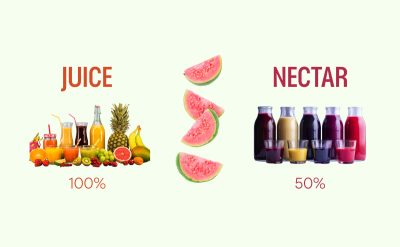
What’s different between Fruit Juice & Fruit Nectar?
For products like coconut water, EU regulations focus on safety and labeling. While it doesn’t have a unique directive like fruit juice, it must comply with general food law, including rules on hygiene, contaminants, and approved additives. Just as the FDA affects manufacturing, EU rules dictate processing and safety standards.
Furthermore, any claims about the health benefits of fruit juice or coconut water are strictly regulated. A manufacturer cannot claim their product “boosts immunity” unless that claim has been scientifically evaluated by EFSA and authorized by the European Commission. This ensures that consumers are not misled by unproven marketing.
FDA Compliance in Practice: Insights from DATAFA CO, LTD.’s Beverage Manufacturing Experience
At DATAFA CO, LTD., FDA compliance is integrated into daily beverage manufacturing operations rather than treated as a standalone regulatory requirement. As a Vietnam beverage OEM, the company operates production facilities that are registered with the U.S. Food and Drug Administration (FDA) and follow applicable FDA food safety regulations relevant to beverage manufacturers. DATAFA’s manufacturing processes—from ingredient sourcing and formulation to processing and packaging—are structured to align with FDA expectations for traceability, hygiene control, and quality management.
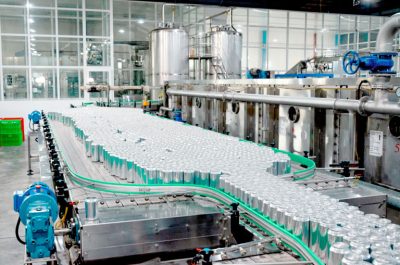
Clean production line inside Datafa’s factory
This operational framework positions DATAFA as an FDA compliant beverage manufacturer supporting international brands seeking to enter or expand in the U.S. market. Through its experience as a Vietnam beverage OEM serving global partners, DATAFA demonstrates how regulatory compliance can be systematically embedded into beverage production while maintaining consistency, scalability, and regulatory transparency across markets.
Conclusion
In summary, understanding the regulatory differences between the FDA and EFSA is crucial for beverage manufacturers aiming to navigate the complexities of compliance in both the U.S. and Europe. Each authority operates under distinct legal frameworks, ingredient controls, labeling requirements, and safety protocols that can significantly impact product development and market entry strategies. By familiarizing yourself with these regulations and their implications for various beverage categories, you can better position your products for success in both markets. If you have questions about how to align your beverage manufacturing processes with these regulatory standards, feel free to reach out for expert guidance and support.
Frequently Asked Questions
Are supermarket juices subject to FDA inspections?
Yes, absolutely. The Food and Drug Administration regulates juices as food products. This means juice production facilities are subject to FDA inspection to ensure they follow safety rules, like HACCP, to protect public health. This is different from bottled water, which has its own specific set of FDA regulations.
Does the FDA regulate caffeine content in beverages?
Yes, the FDA regulates caffeine as a food additive. It is considered “Generally Recognized as Safe” (GRAS) in cola-type soft drinks up to a limit of 200 parts per million. The FDA monitors its use in other beverages to ensure levels do not pose any health risks to consumers.
What is the process for beverage manufacturers seeking FDA approval?
Most beverages don’t require pre-market FDA approval. Instead, manufacturers must comply with regulations. This includes registering their facility with the FDA, adhering to Good Manufacturing Practices (GMPs), ensuring all ingredients are safe and permitted, and following all labeling rules. Compliance is the key to market access.
Watch us on Youtube: Youtube: @DatafaBeverage
Keep updated on our lastest products: Alibaba site: DATAFA
Contact now: Contact site